Hulls, Hangars and the Felixstowe Patrol: How Seaplanes Left the Water
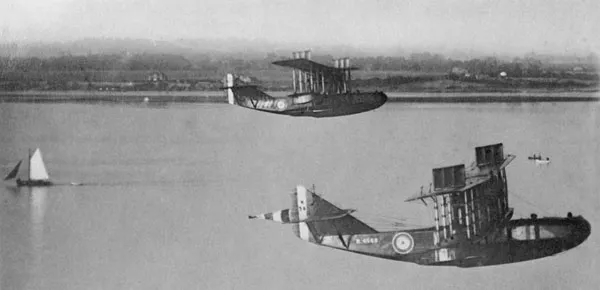
Photo: Unknown authorUnknown author, Public domain, via Wikimedia Commons
The Royal Navy entered the war with a handful of seaplanes and no settled doctrine for using them at sea. By 1918 it had converted merchant hulls into seaplane carriers, established a flying-boat station at Felixstowe and was running regular patrols over the North Sea. The change was neither smooth nor cheap. It depended on tenders, hangars, spare engines, mechanics and the unglamorous logistics of keeping aircraft serviceable in salt air. Yet it marked the beginning of a shift in naval power that would become familiar later in the century.
Improvised Tenders
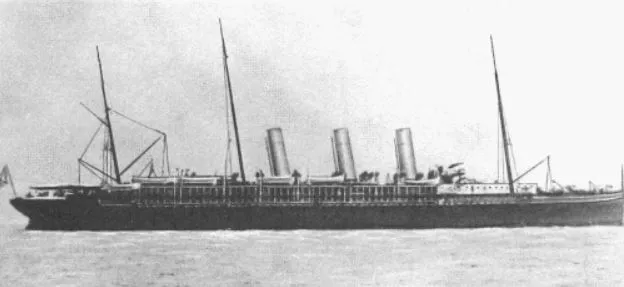
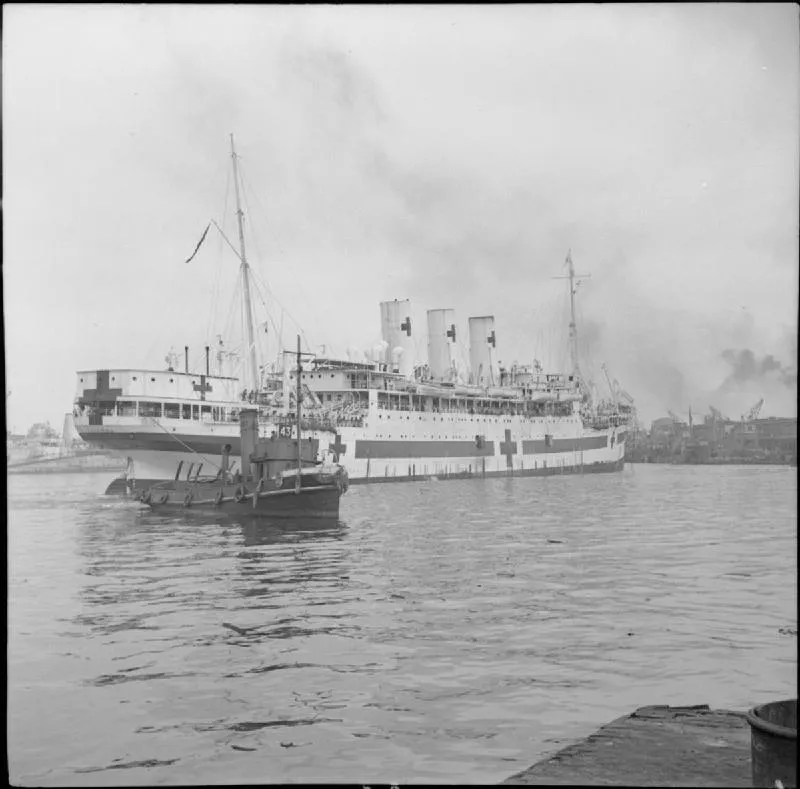
The first seaplane carriers were improvisations. HMS Engadine, Empress and Riviera were converted fast packets, capable of hoisting seaplanes in and out with cranes and stowing them on deck or in makeshift hangars. They were not aircraft carriers in the later sense. They could not launch wheeled aircraft from a flight deck, and their operations were weather-dependent. But they gave the Grand Fleet a mobile aviation capability that could be sent where reconnaissance was needed.
The logistical burden was considerable. A seaplane needed calm water for take-off and landing, or a sheltered anchorage. It needed fuel, oil, spare parts and trained mechanics. It needed a ship with the space and stability to recover it. The carriers were therefore not simply warships with aircraft aboard. They were floating workshops and depots, and their success depended on the deck crews and engineers as much as on the pilots.
Cuxhaven and Its Lessons
On Christmas Day 1914, the Engadine, Empress and Riviera took part in the raid on Cuxhaven, the first combined sea and air operation of its kind. Seaplanes were launched to attack the German airship sheds and naval installations. The results were modest in material terms, and several aircraft were lost. The significance lay elsewhere. The raid demonstrated that aircraft could be carried to the enemy coast and launched from ships, and that the attempt demanded coordination between carriers, cruisers, destroyers and submarines.
It also exposed the weaknesses. Navigation over water was difficult. Weather could ruin a launch schedule. Recovery was hazardous. The aircraft of 1914 were fragile and their engines unreliable. Cuxhaven was therefore less a decisive blow than a proof of concept, but it was a concept the Admiralty could not ignore. The seaplane had shown that it could extend the fleet's vision beyond the horizon.
Felixstowe Flying Boats
The development of the Felixstowe flying boats gave the Royal Navy a more capable instrument. Designed by John Cyril Porte and developed at the Felixstowe naval air station, the F.2A and later F.3 and F.5 flying boats were large, twin-engine machines suited to long patrols over the North Sea. They could carry bombs, depth charges and observers, and they could operate from sheltered water without a carrier deck. Their range made them valuable for anti-submarine patrols and for spotting mines and enemy vessels.
Felixstowe was not only a station but a system. Aircraft had to be maintained, armed, fuelled and repaired. Pilots had to be trained. Patrol schedules had to be coordinated with convoy movements and naval intelligence. The flying boats were an extension of the Grand Fleet's reach, but they depended on a shore establishment that was itself part of the fleet's logistical tail. The same was true of the seaplane carriers at sea, where a damaged aircraft could mean a lost opportunity and a strain on spares.
Maintenance and the Daily Patrol
The daily patrol work was less dramatic than Cuxhaven but more important. Flying boats and carrier-borne seaplanes watched for U-boats, reported minefields and escorted convoys. They could force a submarine to dive and lose its opportunity to attack. They could call in surface forces. They could give warning of enemy movements. The value of aviation lay in information as much as in striking power.
That information came at a cost. Salt water corroded engines and airframes. Weather grounded aircraft for days. Spare parts were scarce. The logistics of aviation were unfamiliar to officers trained in gunnery and seamanship, and the learning curve was steep. The men who kept the aircraft flying were often far from the public eye, but their work made the patrols possible.
A Quiet Revolution
By the end of the war, the Royal Navy had begun to accept that naval power would increasingly depend on aircraft. The seaplane carriers and Felixstowe flying boats were transitional machines, but they pointed towards the future. They showed that the fleet's eyes could be lifted above the water and that the enemy coast could be watched from the air. The revolution was quiet, improvised and expensive. It was also irreversible.