Black Diamonds for the Battle Fleet: Welsh Steam Coal and the Logistics That Kept the Dreadnoughts at Sea
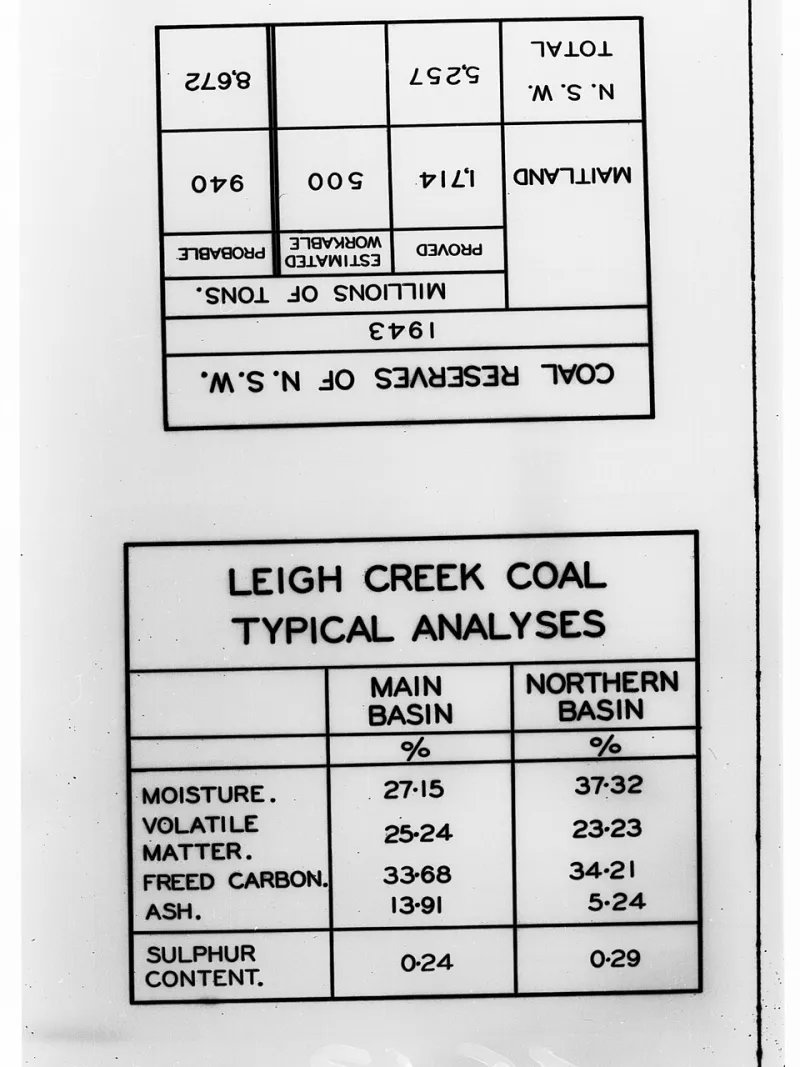
Photo: State Government Photographer, CC0, via Wikimedia Commons
Ask what kept the Grand Fleet at sea and the answer usually begins with oil. The image is of the fast, oil-fired Queen Elizabeths, of liquid fuel and the Admiralty's pre-war bargain with Persia. Yet for most of the war the larger part of the British battle fleet burned coal, and not any coal. It burned Welsh steam coal, dug from the seams of Aberdare, the Rhondda and the Garw, hauled to Cardiff, Barry and Penarth, and carried north in a convoy of colliers that was as essential — and as vulnerable — as any ammunition train.
Why Welsh Coal
The Admiralty's preference for South Wales coal was not sentiment. It was engineering. The best Welsh steam coals were hard, low in volatile matter and high in fixed carbon. They burned hot, left little clinker, and — critically for a navy that fought in a haze-ridden sea — produced comparatively little smoke. A battleship burning indifferent coal announced its position and its course to any observer within twenty miles. A battleship burning good Welsh coal made a thin, pale plume that faded quickly into a North Sea sky.
The distinction was understood by every engineer and gunnery officer in the fleet. Coaling returns were scrutinised as closely as ammunition state; a ship that reported excessive smoke or heavy clinker was a ship whose captain might expect a pointed signal from his squadron commander.
The Arithmetic of Bunkering
Coal is bulky, dirty and labour-intensive in a way that oil is not. A dreadnought of the Iron Duke or King George V type carried upwards of three thousand tons of coal in her bunkers, with additional stowage in odd corners of the hull that peacetime designers had never intended for the purpose. At high speed she could burn through several hundred tons in a day; even at cruising revolutions, the consumption of a single battleship ran to figures that would have startled a merchant superintendent.
Multiply that by a fleet. Twenty-odd capital ships, a screen of cruisers and flotillas, colliers, depot ships and base facilities — the daily requirement at Scapa Flow ran to thousands of tons, and it had to arrive regardless of weather, submarine threat or the state of the railway wagons in South Wales.
Coaling ship was the hardest labour the navy asked of its men outside action. A battleship might take on a thousand tons in a working day if the colliers lay alongside and the holds were favourable; more often it took longer, in shifts, in dust that filled the eyes and throat, with every man in the ship from the captain downwards liable for a spell at the bags. The black squad of stokers and trimmers who fed the furnaces were the fleet's engine room, and they were recruited, in the main, from the coalfields themselves.
From the Valleys to the Flow
The chain began in the collieries, where Admiralty grades were sorted and screened separately from house and export coal. It passed through the docks at Cardiff and Barry, where colliers were loaded under Admiralty direction, and continued north through the Irish Sea and the Minch to the anchorages at Scapa and the oil-and-coal ports of the east coast: Invergordon, Cromarty, Rosyth.
At Scapa Flow the coal was landed and stored at Lyness on Hoy, where huge stacks and a small army of labourers serviced the fleet at anchor. The colliers themselves — requisitioned merchantmen flying under naval direction, supplemented by the Royal Fleet Auxiliary — were a constant presence in the anchorage, and an obvious target for any submarine bold enough to penetrate the defences.
Contracts, Men and Strikes
The logistical system rested on an industry that was itself under strain. South Wales coal was the most sought-after in the world, and the Admiralty competed with the railways, with industry and with foreign buyers for the output of the same pits. Contracts were placed far in advance; prices were fixed; inspectors graded deliveries. Even so, the fleet's requirements could not be met by commercial mechanism alone, and by 1917 a system of national control had been introduced to govern output, distribution and price.
Labour was the greater difficulty. The miners of South Wales had entered the war with grievances about wages, holidays and the operation of the local coal trade, and the war did not remove them. A major dispute in the summer of 1915 brought the coalfield to a halt until concessions were made; further stoppages followed in 1916 and 1917. Each one rippled through the Admiralty's calculations, and each one raised the same uncomfortable question: how does a fleet dependent on a single coalfield secure its fuel against the politics of the men who dig it?
Coal, Smoke and Tactics
It is easy to treat fuel as a matter for the supply officer. In the North Sea it was a tactical fact. The smoke made by a squadron at speed determined whether it was sighted, and by whom; the endurance of a coal-burning battleship dictated how long the Grand Fleet could remain at sea after leaving Scapa; the location of colliers influenced the movements of whole squadrons.
The irony is that the war accelerated the very transition that made Welsh coal less decisive. Oil gave greater endurance per ton, allowed refuelling at sea in principle, and freed a ship's company from the drudgery of the bag and the bunker. The Queen Elizabeth class pointed the way forward, and postwar construction followed. But throughout the war years, and notably in the long, cold monotony of the northern anchorages, the fleet ran on black diamonds, and the Welsh coalfield — with all its disputes, its danger and its skill — was as much a part of the Grand Fleet as the gunnery officers on the forebridge.