Orkney's Grey Passage: HMS Hampshire, the Minefield and the Making of a Myth
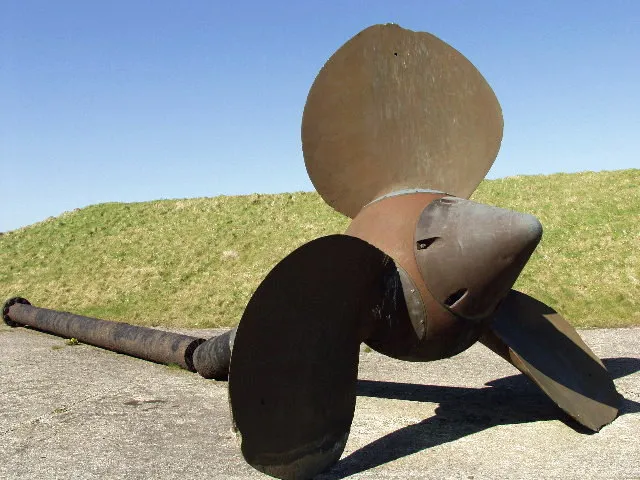
Photo: Peter Mattock, CC BY-SA 2.0, via Wikimedia Commons
On the evening of 5 June 1916, the armoured cruiser HMS Hampshire left Scapa Flow for Russia. Aboard was Lord Kitchener, Secretary of State for War, together with a small official party and the ship's company. She never cleared Orkney. Within hours the cruiser had gone down west of Marwick Head in heavy weather, and the disaster had acquired a significance far beyond the loss of a single warship. The 110th anniversary in 2026 is a suitable moment to ask what is actually known about the passage, the minefield and the official response, and what has been allowed to harden into assumption.
A Route Through Doubt
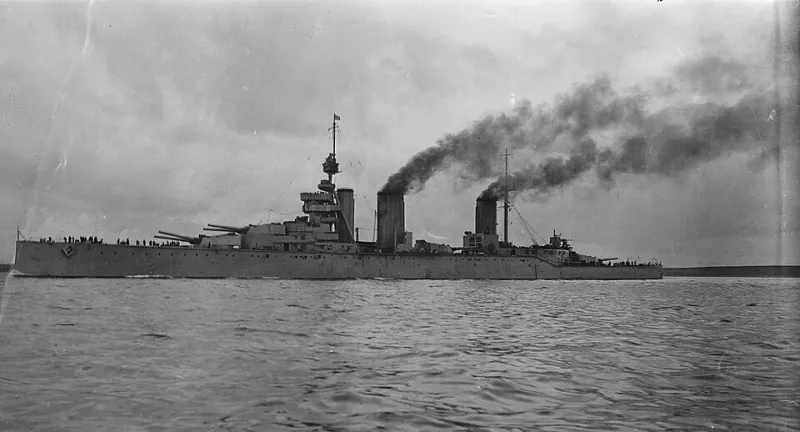
The Hampshire was an armoured cruiser of the Devonshire class, by 1916 an older type pressed into important work. Her departure from Scapa Flow was not a routine sortie. The Admiralty had chosen the western route around Orkney in the belief that it offered safety from submarines, but the same waters had been sown with mines by the German auxiliary cruiser Wolf and, more relevantly for this route, by U-75. The precise state of knowledge about those minefields has been debated ever since. So has the decision to sail in worsening weather.
The meteorological picture is central. Survivors described a violent north-easterly gale, driving rain and a sea that made boat work almost impossible. Modern reconstruction of the weather does not turn the loss into a simple story of negligence. It does, however, explain why the ship foundered so quickly and why rescue from the shore was so limited. The Hampshire was not merely lost in bad weather; she was lost in bad weather after striking a mine, a combination that left little margin for seamanship or salvage.
The Minefield and the Inquiry
The official inquiry concluded that the ship had struck a mine. That finding has generally held, though alternative theories have never entirely disappeared from local retelling. The mine explanation fits the evidence of a sudden explosion, the rapid loss of the ship and the known mining of the approaches. It also fits the wider pattern of the war at sea, in which mines claimed warships and merchantmen alike without the drama of a fleet action.
What the inquiry could not do was remove the political weight of Kitchener's death. His presence aboard transformed a naval accident into a national event. Rumours of sabotage, conspiracy and failure of escort arrangements grew partly because the loss seemed too sudden and too convenient for a country already strained by the Somme. The inquiry's findings were less dramatic than the rumours, and the documentary record has never supported the more elaborate conspiracy theories. That is not to say the Admiralty handled every question well. The route, the weather and the escort arrangements were all matters of legitimate concern, and the manner in which the ship was sent to sea has remained a subject of fair historical criticism.
Survivors, Wreck and Evidence
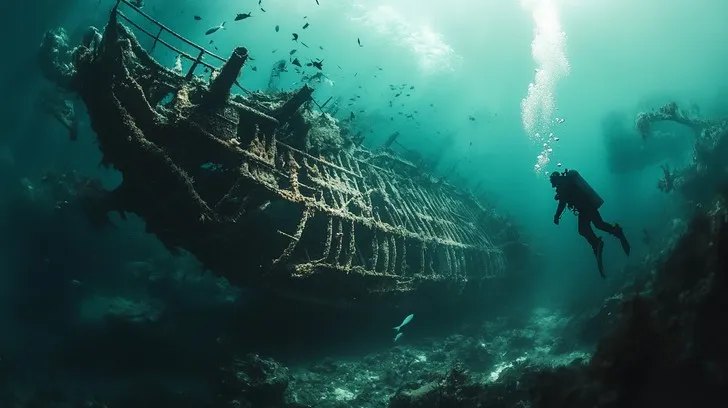
The human evidence is thin but important. Only a small number of men survived, and their accounts emphasise the speed of the disaster and the impossibility of launching boats in the sea that followed. The wreck itself lies in deep water off Orkney and has been surveyed rather than comprehensively excavated. Hydrographic work has helped establish the wreck's condition and position, but it cannot answer every question about the final minutes. The site is a war grave, and that status should frame any discussion of access or recovery.
In 2026, the anniversary should not be used to revive sensation. It should be used to clarify. The Hampshire is a case study in how naval history is made from fragments: a minefield chart, a weather report, a handful of survivor statements, a wreck lying silent in the dark. The known facts are sombre enough. A cruiser, a Secretary of State, a mine and a storm combined to produce a loss that shocked Britain and left Orkney with a long memory.
Memory in 2026
The centenary in 2016 prompted renewed local commemoration and fresh public interest in the wreck. The 110th anniversary is a smaller moment, but it has value. It allows historians to restate the evidence without the pressure of a major national anniversary. It also allows the story to be told as naval history rather than merely as the death of a famous man. Kitchener matters, but so do the sailors who died with him and the Orkney residents who watched the ship go down.
The Hampshire should be remembered as a warship lost on active service in a dangerous sea, not as a mystery with a convenient villain. The mine, the storm and the decisions that placed the ship in their path remain the essential elements. The myth has had a long life. The evidence deserves the anniversary.