Watch on the Straits: How the Dover Patrol Turned the Channel into a Trench at Sea

Photo by Photo by David Clode on Unsplash on Unsplash
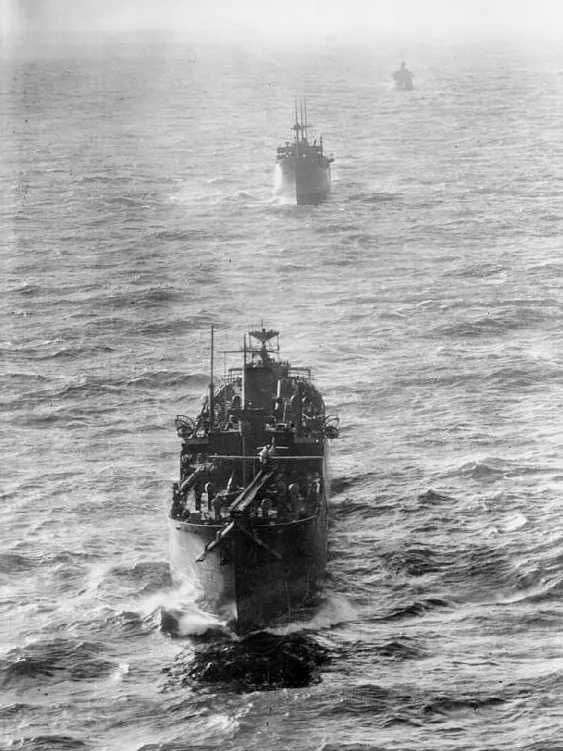
The Western Front is remembered in trenches, but there was another front where the war of attrition was fought in conditions scarcely less claustrophobic — and it lay within sight of English beaches. The Dover Straits, barely twenty-one miles wide at their narrowest point, became one of the most contested stretches of water in the world. Here, the Dover Patrol, a force of destroyers, patrol vessels, armed trawlers and drifters, maintained an unbroken watch that lasted the entire war.
The Strategic Bottleneck
The Admiralty's reasoning was straightforward. The Straits were the gateway to the Thames, the Channel ports and the supply routes feeding the British Expeditionary Force in France. German U-boats based at Ostend and Zeebrugge had to pass this way to reach the rich hunting grounds of the Channel and the Western Approaches. Conversely, British destroyers based at Dover sought to deny the enemy passage westwards.
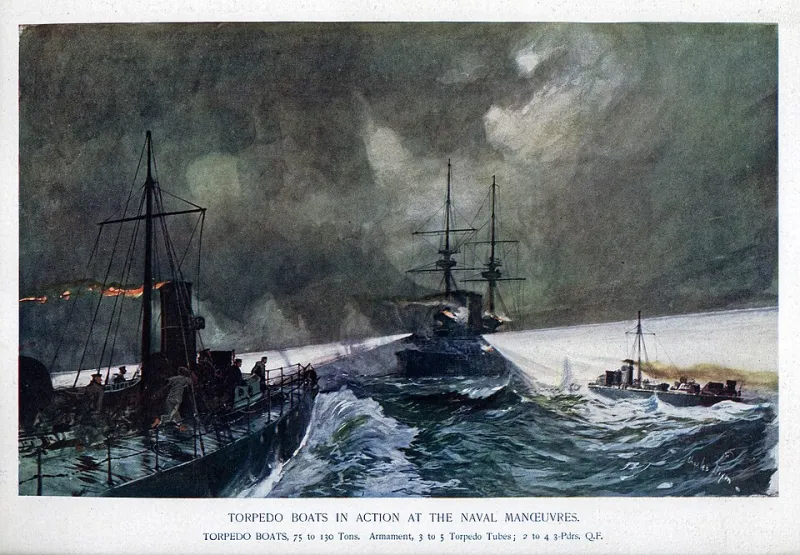
The result was a naval campaign of unusual character. Unlike the grand fleet actions of the North Sea, fighting in the Straits was intimate. Vessels frequently sighted one another at under a thousand yards. Torpedo attacks were delivered at ranges that left no time for evasion. Encounters were brief, violent and often fatal to one side or the other within minutes.
Bombardment of the English Coast
For the inhabitants of Kent, the war was not something read about in newspapers. On the night of 26–27 October 1914, German destroyers shelled Dover, damaging buildings and killing civilians — the first bombardment of English soil by enemy forces in living memory. Further raids followed against Ramsgate, Westgate and Margate in 1917, when German torpedo boats slipped across the Straits to fire on coastal towns before withdrawing under cover of darkness.
These attacks, modest in material terms, carried disproportionate weight at home. They demonstrated that no part of England was beyond the enemy's reach, and they placed the Dover Patrol under intense public and political pressure to prevent a recurrence.
The Barrage and the Drifters
The Patrol's principal instrument was the Dover Barrage — a line of nets, mines and indicator loops stretched across the Straits, attended by dozens of armed drifters, many crewed by fishermen past military age or too old for conscription. Maintaining the barrage by night, in tides that ran hard through the narrow waters, was dangerous, monotonous work. Drifters were sunk by U-boats and by German destroyers sent out specifically to break the line.
The campaign reached its crescendo in April 1918 with the Zeebrugge Raid, when the Patrol's parent command sought to block the Belgian ports from which the enemy raiders sailed. The raid's partial success and heavy casualties became one of the war's defining legends, but the grinding work of the Straits continued until the Armistice.
A Front of Endurance
Casualty figures for the Patrol were never spectacular in the way of Jutland, yet the cumulative toll of collisions, mines, torpedoes and gun action was severe, and the psychological strain of perpetual readiness — destroyers at two hours' notice for four years — told heavily on crews. One officer of the Patrol described it as trench warfare in miniature: long periods of watchfulness punctuated by sudden, close-quarters violence.
For historians and family researchers alike, the Patrol offers a rare window into a war fought on England's doorstep. Service records, local newspaper archives and the memorials of Kent coastal towns preserve the story of a campaign in which the home front and the battle front were, quite literally, the same stretch of water.